Key Factors Affecting Coil Mixing Kettle Performance
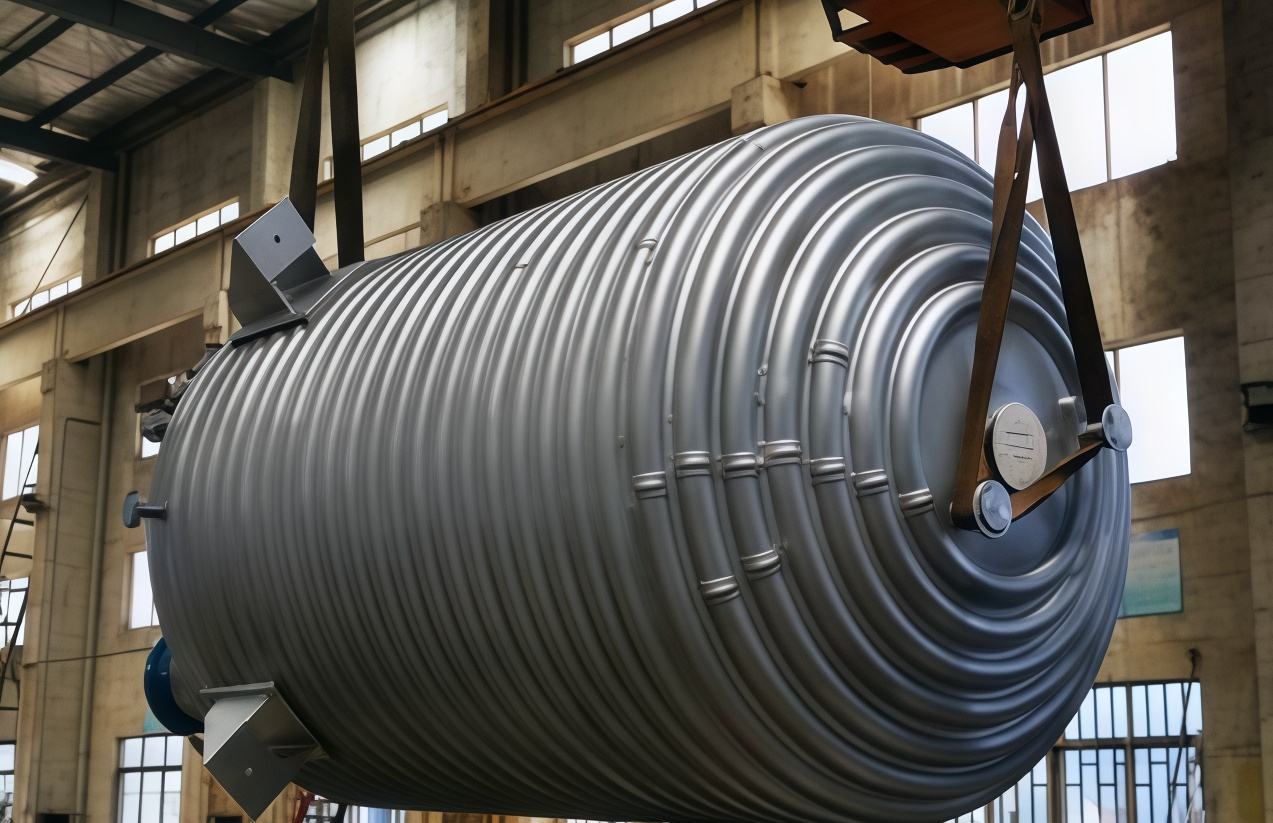
Coil mixing kettle performance is influenced by multiple dimensions, fundamentally centered around the stirring system's mixing capability, heat transfer efficiency, and material properties.
I. Stirring System: Determines Mixing Efficiency and Uniformity
Stirrer Type Selection: - Low viscosity materials: Propeller type, turbine type - High viscosity materials: Anchor type, ribbon type, frame type - Solid particle-containing materials: Open paddle type
Stirring Speed Considerations: - Too slow: Insufficient shear force, extended mixing cycles, incomplete reactions - Too fast: Improved mixing speed but increased energy consumption and material splashing
Power Calculation: Calculate based on material density, viscosity, and paddle coefficients - ensure adequate power without waste.
II. Temperature Control Factors: Precision and Heat Transfer Efficiency
Coil System Design: $$Heat\ Exchange\ Area = Number\ of\ Coils \times Single\ Coil\ Length \times Coil\ Outer\ Diameter$$
Heat Transfer Medium: - Select type matching temperature requirements - High temperature: Thermal oil - Cooling: Chilled water - Temperature difference: 15-30°C - Flow rate: 1-2 m/s
Boundary Layer Effect: Stirring breaks the static layer on pipe walls, improving heat transfer efficiency by 3-6 times.
III. Material Properties: Foundation for Parameter Design
Viscosity Considerations: - Low viscosity: Requires baffles to prevent vortexing - High viscosity: Requires high torque motors
Special Properties: - Heat-sensitive materials: Temperature difference control at 20°C - Corrosive materials: Use 316L stainless steel construction
Summary
In practical applications: 1. First clarify material properties and process objectives 2. Then optimize stirring and coil systems accordingly 3. Finally achieve ideal working results
Contact our engineering team for customized recommendations based on your specific requirements.